
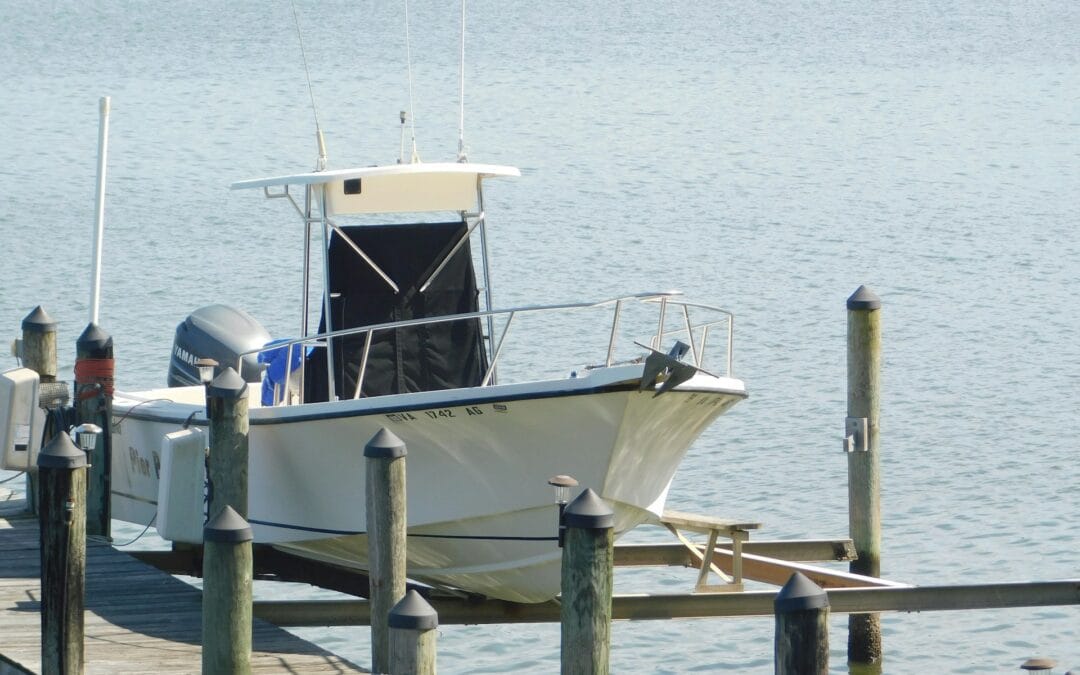
Boat Lift Systems Saskatoon Cottage Owners Overlook
Boat lift systems in Saskatoon cottage country do a quiet but important job. They protect your boat or PWC, save your hull from damage, and make getting on the water faster and easier. When the lift is wrong for your setup, everything feels harder, from cranking the winch to lining up the boat in waves or wind.
Many cottage owners put a lot of care into picking the right boat, then park it on the first lift that happens to be available. That works for a while, until the first dry summer, big storm, or early freeze shows where that setup falls short. In this article, we are going to walk through the common problems we see, the modern lift options people skip, and how a better match can make weekends at the lake smoother and less stressful.
The Hidden Cost of Overlooking Your Boat Lift
Think about your best summer weekend at the lake: warm water, calm morning, coffee on the dock, boards and tubes ready to go. Now picture wasting half that calm morning wrestling with a waterlogged, leaning, or undersized lift that never seems to sit quite right.
That is what happens when the boat lift becomes an afterthought. Many Saskatoon-area cottage owners rely on:
- Old steel lifts that were left with the property
- Pieced-together systems that have been moved from one shoreline to another
- Lifts sized for a previous, smaller boat or a single PWC
By late July, small issues are hard to ignore. Water levels shift. Winches get harder to crank. Frames settle into soft or rocky bottoms. You start spending more time adjusting and fighting the lift than actually using the boat.
The good news is there are boat lift systems in Saskatoon cottage country that are designed to deal with these problems. Once you know what to look for, you can choose a system that protects your investment and gives you your weekends back.
Why “Good Enough” Boat Lifts Fail Saskatoon Cottages
Local lakes around Saskatoon see a mix of conditions. Water levels can rise and fall through the season. Some shorelines are shallow and sandy; others drop off fast or are littered with rocks. Wind can push waves right into your lift, and ice pushes and pulls on any structure left too close to the water.
Older, heavy, or rust-prone lifts struggle with this over time. Common compromises we see include:
- Inherited or used lifts that do not match the current boat’s weight, beam, or hull
- Cheaper lifts with steel parts that corrode faster in freshwater
- Frames that are almost impossible to move or adjust without several strong people
Those choices have real consequences:
- Extra wear on hulls, props, and trailers because the boat never quite sits where it should
- Lost summer days spent leveling or dragging a lift instead of actually boating
- Higher long-term costs from repairs, early replacement, or boat damage from poor support
When a lift is only “good enough,” it usually feels fine at first, then slowly eats into your time, energy, and gear.
Lightweight All-Aluminum Lifts Cottage Owners Skip
Lightweight construction is one of the biggest changes in modern boat lift systems in Saskatoon, and it is also one of the most overlooked. Many people still assume heavy means strong, and light means flimsy. With marine-grade aluminum, that is not the case.
Quality all-aluminum lifts offer:
- Much easier installation and removal at the start and end of the season
- Simple repositioning when water levels change or sandbars shift
- Frames that resist corrosion, so they stay cleaner and work better longer
Transport and assembly also become far simpler. A lightweight lift can often be moved on a single truck or small trailer, which is a big help on narrow cottage roads. On-site, basic tools and clear instructions let owners take an active role in setup without needing large crews or special gear.
There are hidden convenience benefits too:
- Faster spring setup and fall removal, a big deal if you only visit on weekends
- Easier “follow the water” adjustments as shorelines change through the season
- Less strain on older family members or anyone with limited strength who still wants to help
Lightweight does not mean weak; it means smart design for real cottage life.
Matching the Right Lift to Your Boat and Shoreline
The right boat lift is not just “about the weight.” Different boats load and sit on a lift in very different ways. For example:
- PWCs need bunks shaped for their hull and a lift that keeps them high enough to avoid spray
- Pontoons spread weight out and need support under the tubes, not just down the middle
- Wake boats and fishing boats may be heavier and deeper, with different balance points
If you size by guesswork or only look at one number, you can end up with a lift that feels unstable, twists over time, or does not lift high enough. Planning for a future upgrade is also smart. If you know you might add a second PWC or move to a bigger boat, it is worth thinking about that now.
Your shoreline matters just as much. Around Saskatoon cottages you will find:
- Gradual, sandy bottoms that need longer legs and good adjustability
- Rocky entries that demand careful placement to protect both hull and frame
- Soft or mucky lakebeds where wide pads or different setups keep the lift from sinking
Adjustable legs and the right bunk layout protect your boat and reduce strain on the lakebed. For winter, it is important to plan for ice. Lightweight, modular lifts can be pulled higher up the shore or taken apart more easily, which lowers the risk from freeze and thaw. Canadian-made designs are typically built with these cycles in mind, since our weather can swing fast.
Maintenance Myths That Shorten Lift Lifespans
Many people think of a boat lift as “set it and forget it.” Even a good, all-aluminum system still needs simple checks, especially when it is working hard all summer.
Key areas to look at regularly:
- Cables and pulleys for fraying, sticking, or uneven wear
- Bolts and joints for looseness
- Bunks for torn carpet, worn pads, or poor alignment
- Winch mechanisms for smooth, steady operation
Aluminum frames greatly reduce rust, but corrosion can still show up when different metals meet. Mixing galvanized parts with aluminum without proper separation can invite future problems.
End-of-season habits often cause the worst damage:
- Dragging a heavy lift over rocks instead of using help or proper wheels
- Leaving a lift in the ice because it feels too heavy to pull out
- Skipping a quick rinse and inspection so small issues quietly grow over winter
A few minutes of care each season keeps the lift running better for longer, and keeps your boat safer.
How Saskatoon Cottagers Can Upgrade Before Next Season
Late summer is a great time to judge whether your current setup is really working for you. While you are at the lake, ask yourself:
- Is the lift harder to crank than it used to be?
- Is it sitting crooked or sinking on one side?
- Do you see rust, pitting, or bent parts?
- Does your boat feel cramped, or has your boat changed since you got the lift?
Take photos from different angles and grab basic measurements. Note the boat’s length, weight, and beam, the type of hull, the shoreline slope, and how deep the water is at both low and high water levels.
From there, you can start planning a smarter lift investment. Canadian-made, all-aluminum boat lift systems in Saskatoon and nearby lakes are built with local conditions in mind, from ice and wind to road access. At Lake Front Lifts, we design and manufacture lightweight aluminum boat and PWC lifts that are easy to move, assemble, and maintain, which fits the way many cottage owners actually use their properties.
With good photos, clear measurements, and a clear picture of how you use your boat, it becomes much easier to choose a lift that fits your boat, your shoreline, and your family. That is how you turn your lift from a constant hassle into a quiet, reliable part of your best weekends at the lake.
Get Started With Your Project Today
Explore our full range of boat lift systems in Saskatoon and find the right fit for your shoreline, boat and budget. At Lake Front Lifts, we take the time to understand your needs so we can recommend solutions that perform reliably season after season. If you would like expert guidance or a custom quote, contact us and we will help you plan your next step with confidence.