
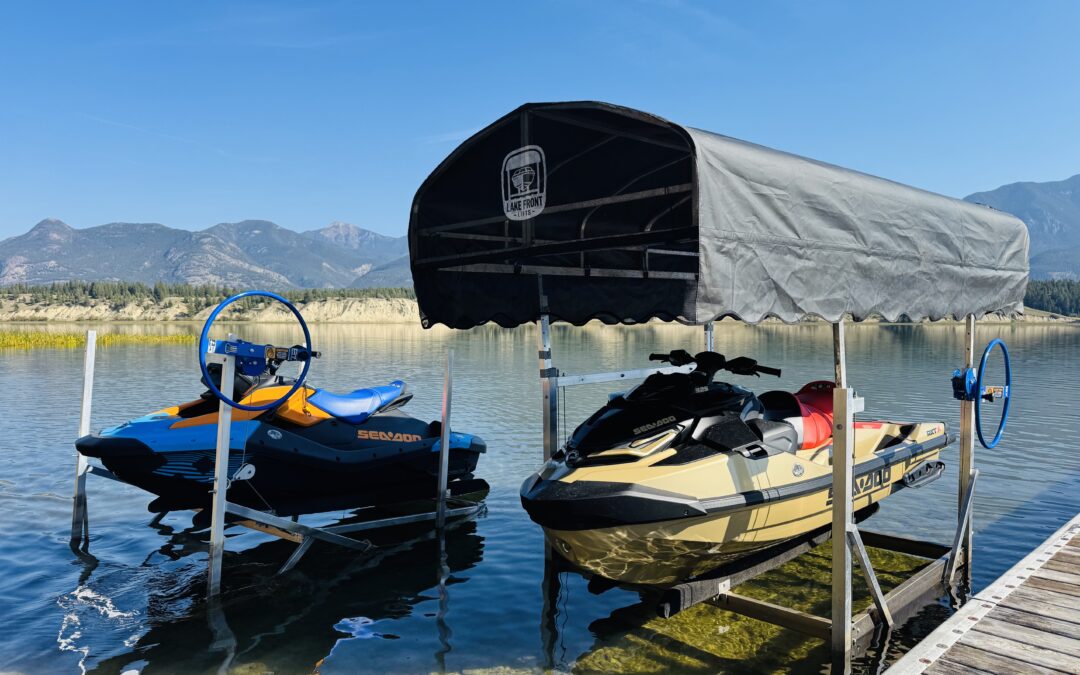
Make Shallow Saskatoon Shorelines Work for Your Boat
Planning a cantilever boat lift in Saskatoon starts with one simple goal: keeping your boat safe in shallow, tricky water. Around the city and nearby lakes, bays and back-eddies can get low and silty by late fall. Props, intakes, and hulls are suddenly a lot closer to rocks, sandbars, and hard bottom than they were in midsummer.
When water drops and winds pick up, boats that stay in the water can take a beating. A well-placed cantilever lift raises your boat above those hazards so it is not grinding on the bottom or shifting with every whitecap. It also keeps your boat sitting level and supported instead of hanging on a single cleat or bumping the dock.
Smart fall planning is what makes spring easy. When you think ahead about your bay, your water depth, and your lift layout, your boat can sit safer over winter and be ready to go early. You get to launch on the first calm, warm weekend, instead of scrambling to solve problems once ice has already started forming along shore.
Why Cantilever Lifts Shine in Saskatoon’s Shallow Bays
In shallow Saskatoon bays, a cantilever lift often works better than a vertical lift. Vertical lifts usually need more water under them to operate properly. Cantilever frames, on the other hand, sit and work in shallower water and can follow a gentle slope or weedy shoreline more comfortably.
Some key advantages of a cantilever boat lift in Saskatoon include:
- Fewer moving parts and cables than many vertical systems
- Smooth manual operation without heavy effort when set up correctly
- Stable, low-sitting frame that can be shifted a little as levels change
- Good performance in bays with late-season water level swings
In Prairie conditions, we see a lot of freeze and thaw, strong sun, and silty water. Lightweight, all-aluminum construction stands up well to that mix. Aluminum will not rust like steel, and a well-designed frame keeps weight low so it is easier to move in and out each season. Compared with heavier, more complex systems, a simple aluminum cantilever lift is often a better long-term fit for shallow Canadian shorelines.
Assessing Your Bay: Depth, Bottom, and Access
Before you choose any lift, you need to understand your bay. That starts with depth, bottom type, and how you get to the shoreline.
For depth, it helps to measure when water is at one of its lower points, often late in the boating season. Use a sturdy stick, marked rope, or pole and walk out slowly from shore, noting:
- Water depth at the spot where your boat would sit on the lift
- How quickly it gets deeper as you step out
- Any sudden drops, holes, or humps underfoot
Bottom type also matters. Common bay bottoms around Saskatoon include:
- Sand: Easy to work with, but feet or pads may slowly sink, so wider bases help
- Muck or soft silt: Often needs big pads or extra bracing to keep the lift from leaning
- Small rock or gravel: Usually stable, but may need careful leveling under each leg
- River rock or larger stones: May call for adjustable bases and more time spent on setup
Access and shoreline shape affect where you can place your lift. Think about:
- Steep banks that make carrying sections difficult
- Existing stairs, paths, or shared access you must use
- Municipal or lake rules on how far out you can go
- How ice usually moves or stacks up along your bay in spring
These factors guide not just which lift you pick, but how you set it up so you can move it in and out each season without a major struggle.
Sizing and Configuring Your Cantilever Boat Lift
Once you know your bay, you can size and configure your cantilever lift for your boat or PWC. Capacity is about more than the brochure weight. Think about:
- Boat dry weight
- Full fuel load
- Batteries, gear, coolers, and accessories
- Typical people and pets on board when you pull onto the lift
Aim for a lift that handles the true loaded weight with a safety margin, not just the base hull number. Beam width and bunk spacing should match your hull shape. Around Saskatoon, many owners run:
- Runabouts and bowriders for family cruising
- Fishing boats with deeper V hulls or flatter bottoms
- Pontoons on lakes
- PWCs in the river or smaller bays
Runabouts and fishing boats often sit well on adjustable bunks that match the keel and chines. Pontoons may need dedicated pontoon bunks or kits that support each tube evenly. For one or two PWCs, a dedicated PWC lift can be easier to handle, especially in tight bays, than trying to share space on a larger boat lift.
Helpful add-ons in breezy Prairie conditions include:
- Guide-ons to keep the boat centered in crosswinds
- Walkways to give you a stable place to stand while tying off or cleaning
- Bow stops to keep you from powering too far forward
- Canopy options to protect seats and consoles from sun, rain, and bird mess
These accessories do not just make docking easier, they also make fall removal and spring setup simpler when the water and air are both on the cool side.
Fall Timing, Transport, and Easy Assembly Tips
Planning your cantilever boat lift in Saskatoon during late fall pays off later. Many owners find that late October is a good window. You can still wade out and measure, but you are also seeing closer to your low water conditions, which helps with placement decisions for the next season.
Compact, modular aluminum lifts are easier to live with year after year. Because sections are light, they can often be:
- Assembled with basic hand tools
- Rolled along the shore on simple wheel kits or pipes
- Slid over grass or sand with a couple of helpers
- Adjusted or re-leveled as water depth changes from one season to the next
For winterizing, think about both your boat and the lift. Some owners fully remove the lift and store it above the high ice line. Others move it slightly deeper, raise it to a high position, and strap it so it sits tight and low to the water, reducing how much ice can catch it. In areas with strong spring currents or heavy ice movement, pulling the lift out completely is often the safest long-term choice.
Raising the boat fully clear of the water, draining lines, and securing covers all help limit damage from freeze and thaw. A well-thought-out plan keeps your gear from turning into a problem when the first big sheets of ice start to shift along shore.
Get Your Cantilever Boat Lift Ready Before Spring Thaw
The more information you have before snow covers the shoreline, the better your cantilever boat lift in Saskatoon can be matched to your bay. It helps to:
- Take clear photos of the shoreline and bay from a few angles
- Mark or note water depths at several points from shore out to your planned lift spot
- Sketch a simple top-view of the bay, showing docks, paths, and any nearby hazards
With those details, Lake Front Lifts or a local Western Canadian dealer can help you sort out frame size, capacity, pad style, and accessories that fit your specific mix of depth, bottom, and access. You end up with a lift system that works with your shoreline instead of fighting against it when levels change.
Good planning in fall leads to a smoother first day on the water. Your boat sits safe over winter, your lift is sized and ready, and when the ice goes out you can focus on fueling up, loading the cooler, and enjoying that first calm evening instead of wrestling with last-minute dock and lift decisions.
Protect Your Watercraft With a Reliable Lift Solution Today
If you are ready to make launching and docking easier and protect your boat from fluctuating water levels, explore our cantilever boat lift in Saskatoon options. At Lake Front Lifts, we will help you choose the right lift for your shoreline, boat size, and usage. Reach out to us to discuss your lakefront setup, get straightforward advice, or request a quote through our contact page.